BLUF: Amazon has secured a permit to release up to 33 million tons of CO2 a year from an on-site natural gas plant powering a planned AI data center in Pecos County, Texas — more than any other power plant in the country, according to The New York Times. The facility will be Amazon’s first off-grid AI data center, generating up to 7.65 gigawatts, according to The Verge. It lands the same year Amazon reported its own carbon emissions rose 16%, moving further from a 2040 net-zero pledge. For anyone evaluating cloud vendors on ESG criteria, or watching Texas’s AI infrastructure buildout, this is the clearest public data point yet on what “off-grid AI power” actually costs in emissions.
What Amazon Is Actually Building
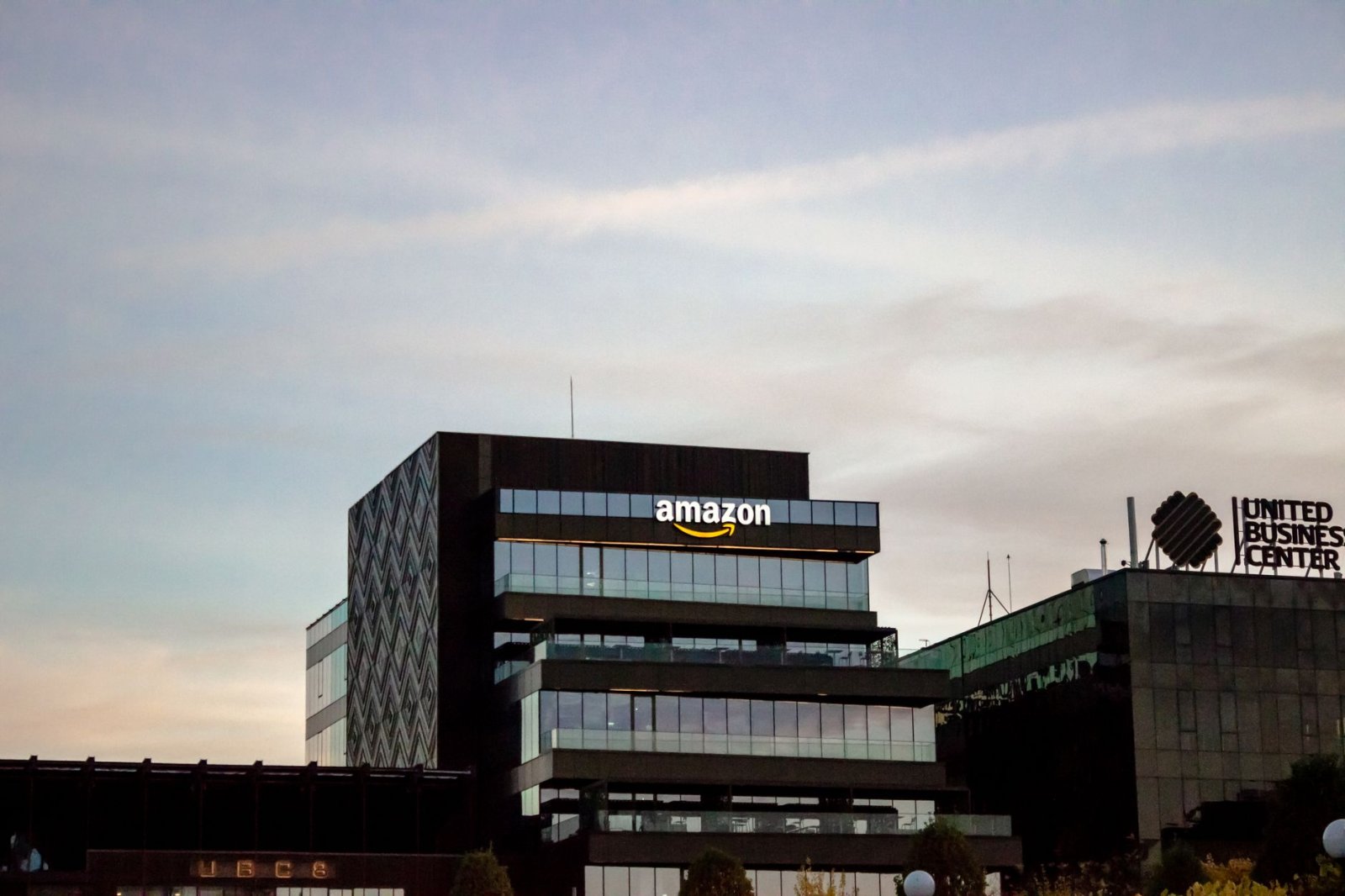
The project sits in Pecos County, Texas, and centers on a natural gas power plant built specifically to run an AI data center without drawing from the regional grid. The New York Times reports the plant is permitted to release up to 33 million tons of carbon dioxide annually — a ceiling that would make it the single largest source of climate pollution of any power plant in the United States, not just any data-center power source. The Verge, in reporting cited by MIT Technology Review’s daily newsletter The Download, put the plant’s generation capacity at up to 7.65 gigawatts and confirmed it will be Amazon’s first fully off-grid AI data center, a designation independently noted by climate-data tracker Cleanview.
“Off-grid” is the operative detail. Instead of drawing power from Texas’s shared grid — the same grid this site covered when Texas rolled out new grid audits in response to AI’s data-center bottleneck — Amazon is building dedicated generation on-site. That sidesteps the regional capacity constraints regulators have been scrutinizing, but it also means the emissions are additive: this is new gas-fired generation that wouldn’t otherwise exist, not a reallocation of existing grid supply.
That distinction matters for how the 33-million-ton figure should be read. A hyperscaler drawing more power from an already-generating grid is, at worst, redistributing existing emissions and straining existing capacity — the problem Texas’s grid audits were built to catch. A hyperscaler standing up 7.65 gigawatts of new, dedicated gas generation is doing something categorically different: adding a power plant to the national inventory that would not exist without this specific data center. The Pecos County facility isn’t drawing down a shared resource; it’s creating a new, large, and durable emissions source tied to a single company’s AI roadmap.
Amazon’s Response, and What It Doesn’t Say
An Amazon spokesperson confirmed to TechCrunch that the data center will “be powered by new on-site generation that won’t raise electricity costs for Texas families” — a direct answer to the political backlash data centers have drawn over their effect on regional electricity prices. That statement addresses cost to consumers. It does not address emissions.
On the climate pledge Amazon co-founded, the spokesperson’s language was notably hedged: “The world looks different now than when we co-founded the climate pledge,” while maintaining “our commitment hasn’t changed.” Amazon reported its own carbon emissions rose 16% last year, according to TechCrunch’s reporting — the wrong direction for a company that pledged to eliminate its carbon emissions by 2040. Neither statement from the company projects what the Pecos County plant itself will add to that trajectory once operational, or reconciles a 33-million-ton permit ceiling with a net-zero target fourteen years out.
Why This Follows the Same Playbook as Amazon’s Broader AI Capex

This isn’t an isolated infrastructure decision. It’s consistent with the scale this site tracked when Amazon’s AI capital expenditure hit $220 billion: at that spending level, waiting for grid capacity to catch up isn’t an option, so hyperscalers are increasingly building their own generation rather than competing for shared supply. The Pecos County plant is what that strategy looks like when it’s a gas plant rather than a data hall — the capex line item that doesn’t show up in a GPU count, but shows up in a carbon permit filing instead.
It’s worth comparing how differently two AI infrastructure buildouts are solving the same off-grid power problem. When SpaceX moved to secure dedicated power for xAI, it did so by buying $329 million worth of Tesla Megapack batteries — storage that shifts when power draws from the grid rather than adding new generation capacity outright. Amazon’s Pecos County approach is the opposite bet: new gas-fired generation, built and permitted from scratch, sized to the data center’s full off-grid load. Both solve the same underlying constraint — AI data centers now draw more power than regional grids can reliably supply on demand — but one adds storage to an existing grid and the other adds a standalone emissions source. The permit filings are where that difference becomes measurable rather than rhetorical.
The Precedent Risk for Every Other Hyperscaler

Amazon isn’t the only company racing to secure dedicated power for AI data centers, and Pecos County won’t be the only permit application of its kind. What makes this filing consequential beyond Amazon’s own emissions ledger is that it establishes a public, documented ceiling — 33 million tons of CO2 a year, from a single facility — that regulators, journalists, and competitors now have as a reference point. The next company that applies for a similar off-grid gas permit in Texas, or any other state courting AI infrastructure investment, will be measured against this number, not against a clean slate.
That cuts both ways. For state regulators trying to attract AI capex while managing grid strain and climate commitments simultaneously, a permit this size sets a ceiling on what “responsible growth” can plausibly mean going forward. For competitors weighing the same off-grid build-vs-battery tradeoff SpaceX made differently for xAI, it’s now on the record that dedicated gas generation at hyperscaler AI scale produces emissions on the order of tens of millions of tons annually — a number that will factor into every future site-selection and public-relations calculation for the industry, not just Amazon’s.
What This Means for You
- If you’re procuring cloud or AI infrastructure with ESG requirements attached: off-grid, dedicated-generation data centers are becoming a standard hyperscaler pattern, not an exception. Ask vendors directly whether a given region or facility runs on grid power, on-site gas, or a mix — the sustainability numbers in a vendor’s public pledge and the numbers behind a specific facility you’re contracting can diverge sharply, as this one does.
- If you’re evaluating Amazon or AWS as a long-term infrastructure partner: a 16% year-over-year emissions increase alongside a 2040 net-zero pledge is a trajectory, not a snapshot. Treat published sustainability commitments as directional, and ask for facility-level generation sourcing on any new region you’re depending on for AI workloads.
- If you’re tracking AI infrastructure policy risk in Texas specifically: a 33-million-ton annual permit is the kind of number that draws regulatory and activist attention regardless of the “won’t raise electricity costs” framing. Facilities like this are increasingly likely to face the same scrutiny Texas’s grid audits have already brought to shared-grid AI power draws, just aimed at emissions permits instead of capacity allocation.
The headline number here — 33 million tons of CO2, larger than any other single U.S. power plant — is easy to read as an outlier. In the context of Amazon’s $220 billion AI capex run rate and a 16% emissions increase already on the books, it reads more like the emissions math that off-grid AI infrastructure was always going to require once building your own power became cheaper than waiting for the grid.
Next step: if ESG or regulatory exposure factors into your cloud vendor selection, ask your AWS or Amazon account team directly which specific regions and facilities are running on dedicated on-site generation before you commit new AI workloads there.