
What Is an AI Eval? A Builder’s Guide to Testing LLM Outputs Before You Ship
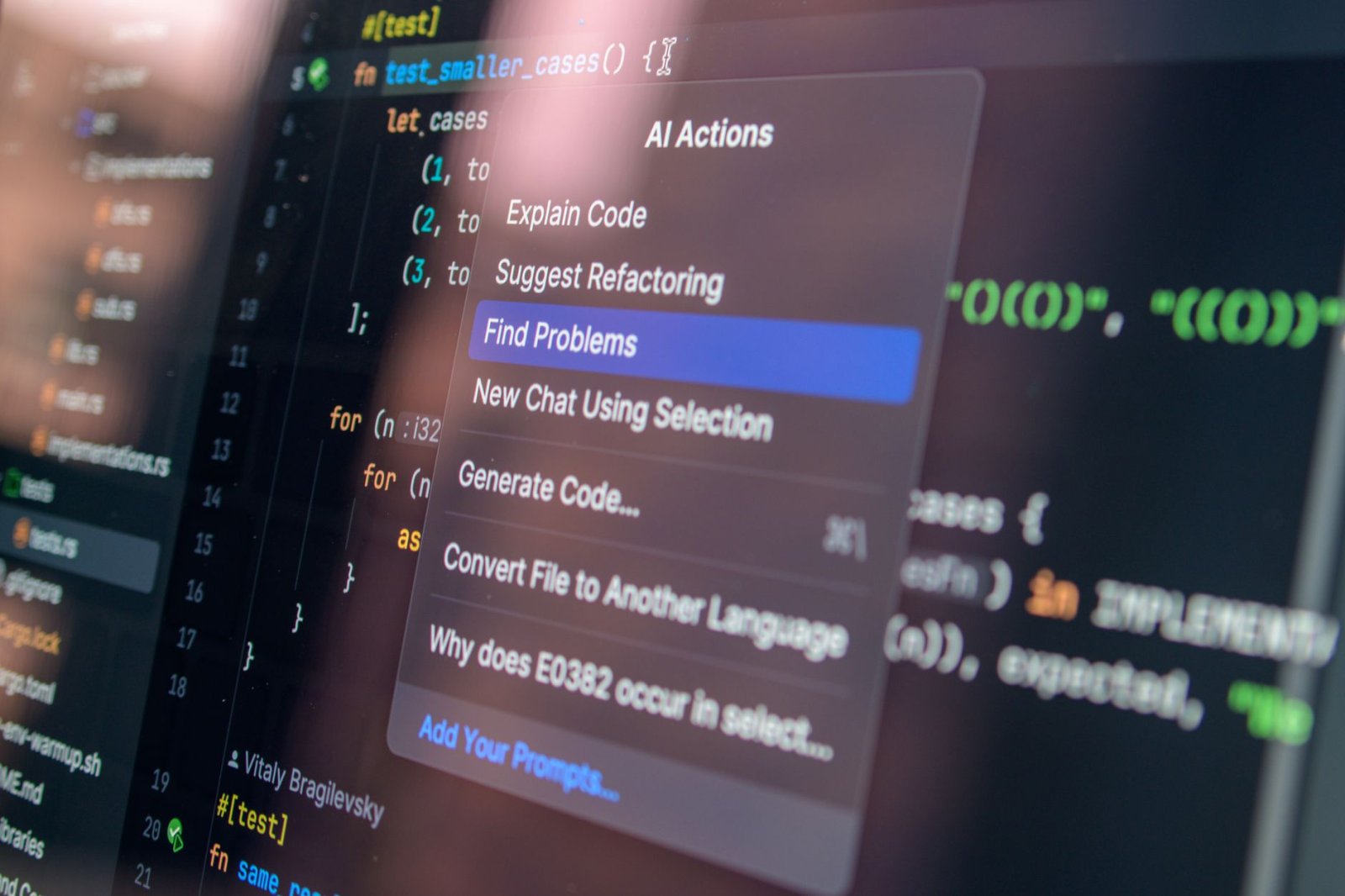
Build one real eval suite for a 3-endpoint RAG app, with actual grader code, and see how it catches regressions a model swap hides from manual spot-checks.
 VTechNews Editorial Team
Build one real eval suite for a 3-endpoint RAG app, with actual grader code, and see how it catches regressions a model swap hides from manual spot-checks.

Gemini CLI died June 18, 2026 with no grace period. Here’s what Antigravity 2.0 actually replaced it with, what broke, and how it compares to Cursor.

New model releases explained by unit economics: real context limits, 71x pricing spread, and rate-limit surcharges that actually break budgets.
GPT-5.5’s 1M-token window vs Claude Opus 5, Gemini 3.1/3.5 Pro — and why RULER shows RAG and coding agents break before the ceiling.
Microsoft holds ~27% of OpenAI plus separate profit-share rights. Google and Amazon back Anthropic with billions but zero board votes. Here’s the real breakdown.
The EU AI Act’s August 2026 transparency rules apply to any SMB using ChatGPT or Claude. Here’s the real obligation set, minus the enterprise-scale panic.
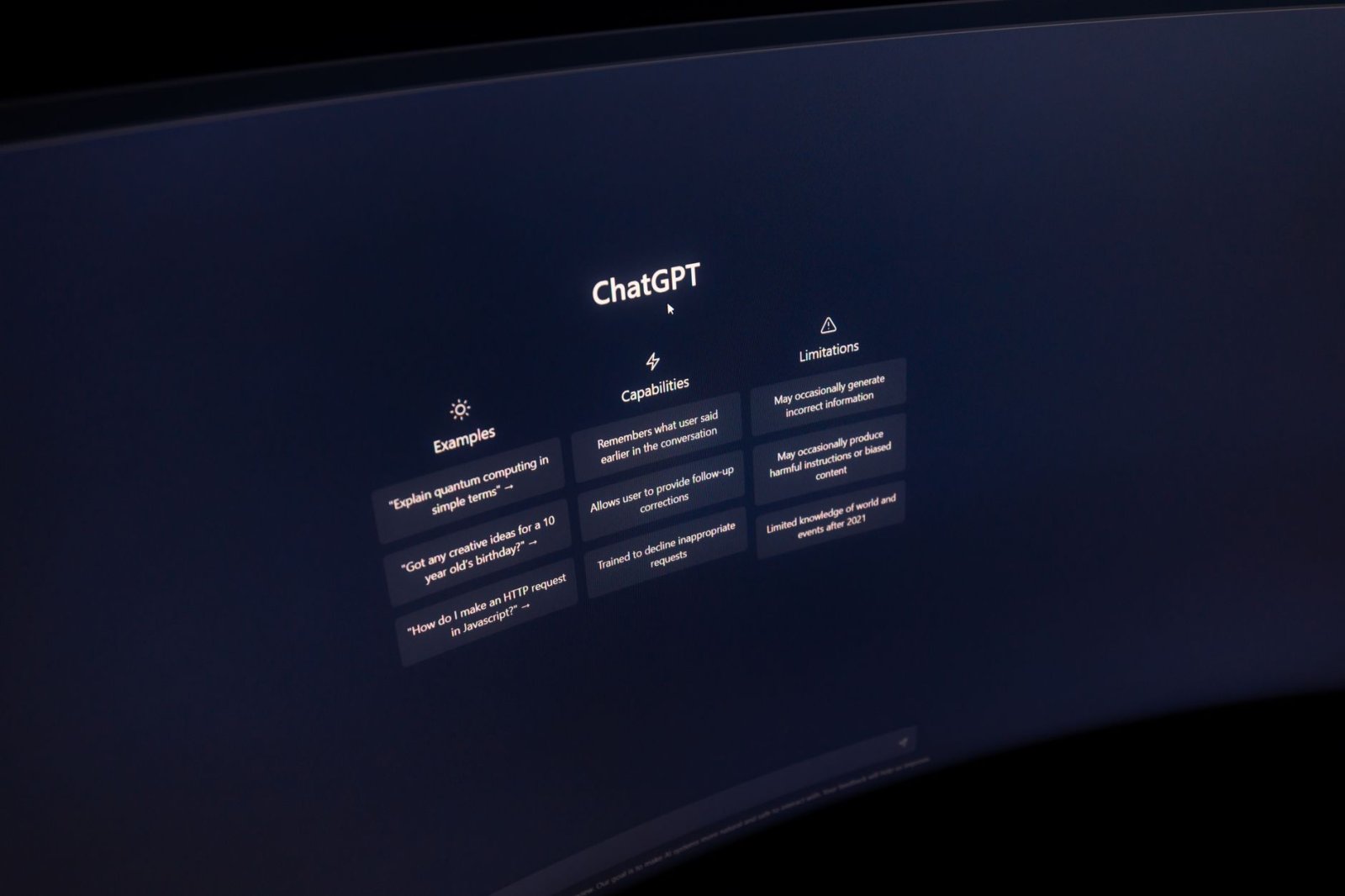
GPT-4o, Cursor, n8n, Claude, and legal AI tools ranked by real failure modes: 429 rate limits, silent context truncation, and hallucination rates.
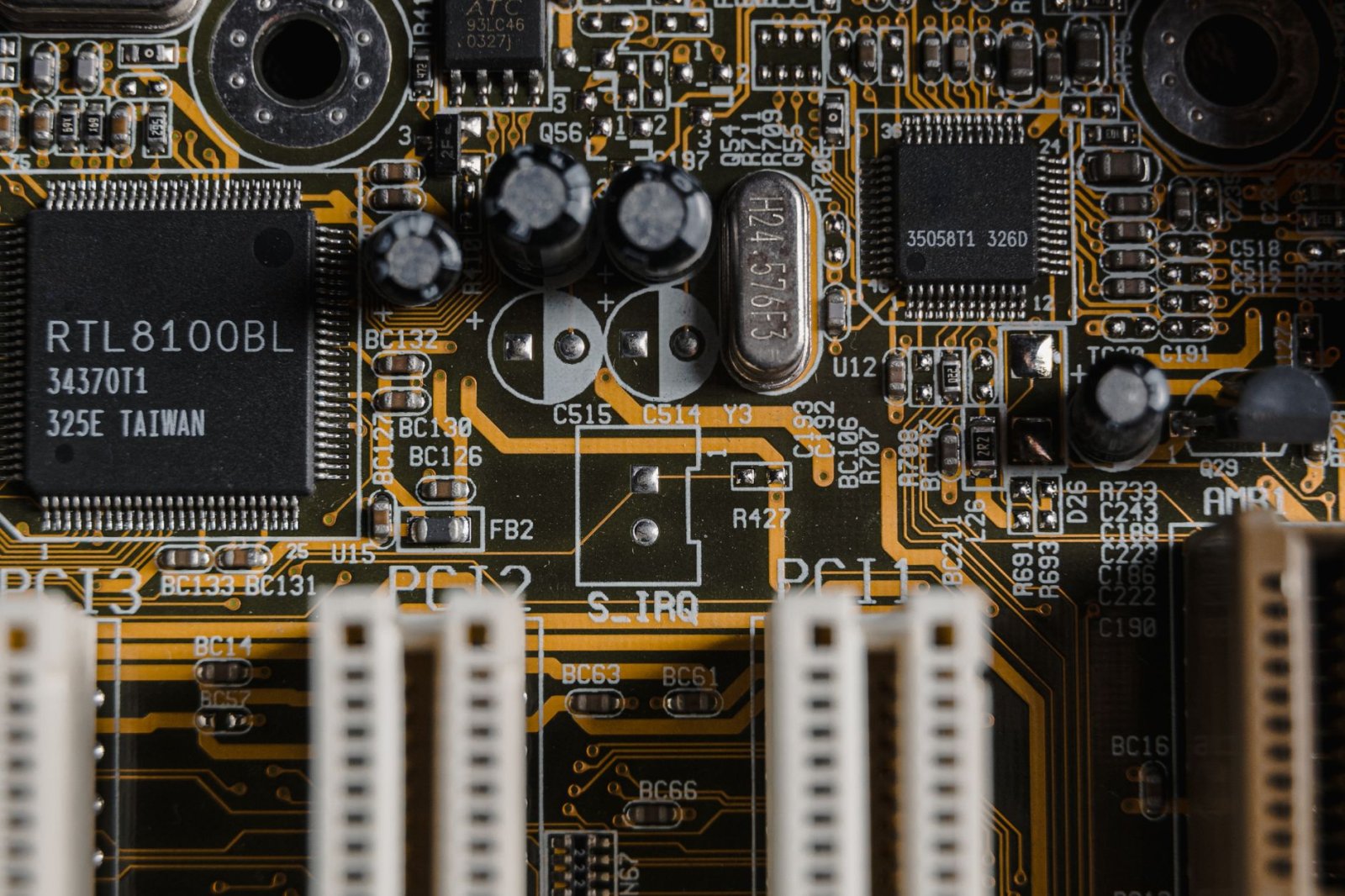
Discovered Materials raised $9M from Lightspeed India, Peak XV, and Paul Graham to hunt cooler chip materials with AI agents gated by physics simulation. The generate-cheap, verify-expensive architecture is the reusable part.

Four AI deals landed in four days: a $1.1B mega-round for a two-month-old startup, a distressed hedge fund’s $400M chip bet, a $550M India fund, and a quiet OpenAI acquihire. Here’s what each pattern means for founders, buyers, and hires.

Real 2026 rate-card pricing for pgvector, Pinecone, and Weaviate at 10M and 100M vectors, plus why your embedding model choice doubles your storage bill.