- Google pulled its Nano Banana 2 AI image overlay feature from Google Earth on July 31 — one day after launch — following criticism that it could spread geospatial misinformation.
- Snapchat announced the same day that it will no longer recommend fully AI-generated videos in its Spotlight feed, citing a commitment to “authentic creativity from real people.”
- Major music labels have proposed that songs must be “substantially human made” to be eligible for chart rankings.
- LinkedIn, YouTube, Meta, and Substack have all moved in the same direction in recent months: restricting or labeling AI-generated content.
- If your content team uses AI generation for any platform-distributed output, this is the week to audit which outputs are at risk of demotion, removal, or demonetization.
On July 31, 2026, at least three major content platforms moved against AI-generated content in a single day. Google reversed a feature it had launched 24 hours earlier. Snapchat changed its recommendation algorithm. And the major music labels — Universal, Sony, Warner — put forward a formal proposal that could exclude AI-generated songs from chart eligibility entirely. This was not a coincidence. It is the visible surface of a shift that has been building for months across every major content distribution platform.
Google Earth’s Nano Banana 2: A 24-Hour Experiment
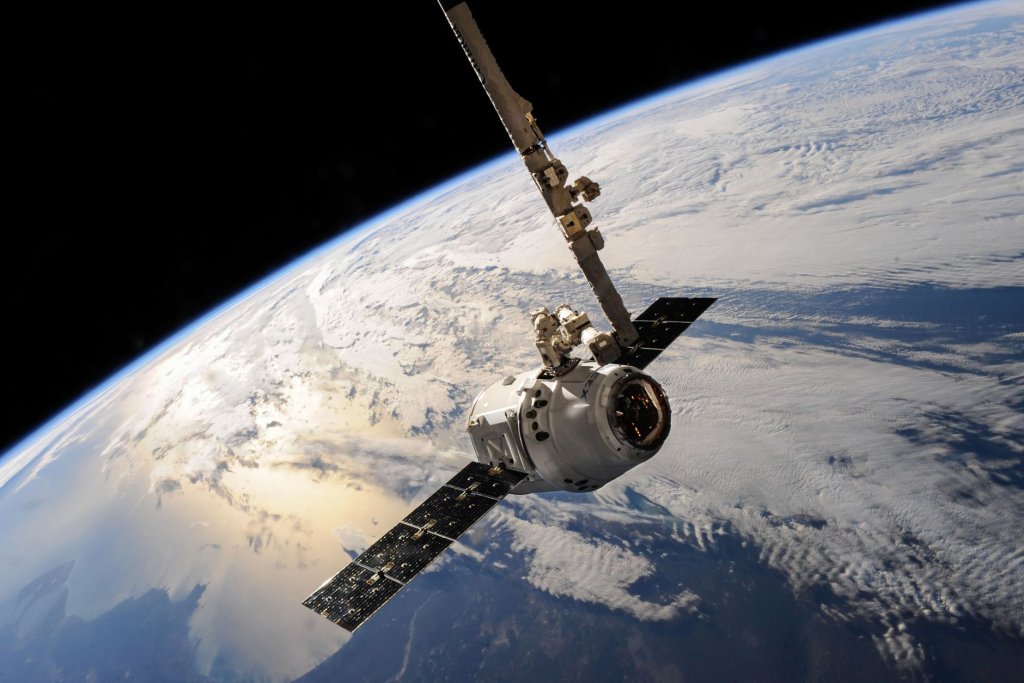
On July 30, Google launched a new feature in Google Earth that allowed users to use Nano Banana 2 — its AI image generator — to overlay generated images directly onto satellite imagery. The stated purpose was creative exploration of geography. Users could prompt the model to place an image on top of real map data from Google Earth.
The criticism was immediate. A BBC journalist posted sarcastically on the same day: “There’s no way that this new AI image generation feature on Google Earth, one of the most reliable sources of visual evidence for journalists and researchers, could possibly be abused to spread misinformation online,” according to TechCrunch.
The concern was not theoretical. Google Earth carries a specific credibility that consumer image generators do not — it is used by journalists, researchers, and legal teams as a source of visual evidence of actual geography and infrastructure. Placing AI-generated imagery inside that context, even clearly labeled, creates a template for geospatial disinformation that is significantly harder to detect than a standalone generated image.
Google pulled the feature on July 31 — one day after launch. The company said in a statement: “We’ve seen geospatial professionals using this feature for a range of useful purposes, however we’ve also seen people sharing screenshots of generated imagery that appear to violate our policies. We’re rolling back this feature in Google Earth while we work on implementing stronger guardrails.”
TechCrunch noted a relevant context point: in 2026, most web imagery can already be manipulated using widely available AI tools. The specific problem with the Google Earth integration was not that manipulation became possible — it was that Google Earth’s trusted-source status made AI-generated overlays more convincing than a standalone generated image would be.
Snapchat’s New Spotlight Policy
On the same day, Snapchat announced that its Spotlight recommendation system will no longer surface fully AI-generated videos, according to TechCrunch. The company stated the goal directly: “remain a place where people can discover authentic creativity from real people, because we believe there’s enduring value in rewarding original perspectives, personal storytelling, and the moments that people choose to create and share themselves.”
The policy distinguishes between full AI generation and AI-assisted creation. Content creators can still use Snapchat’s AI tools to enhance or edit their own videos. What changes is algorithmic reward: fully AI-generated content will not receive Spotlight recommendations. Human-made content with AI edits will still be eligible.
This is a meaningful line to draw operationally because it forces a definition of “human-made” at the platform level. Snapchat has committed to implementing that definition in its recommendation algorithm. Whether the implementation is technically sound — AI detectors have well-documented false positive rates — remains to be seen, but the policy direction is clear.
What Five Platforms Now Say About AI Content
| Platform | AI Content Policy | What Changed |
|---|---|---|
| Google Earth | Feature pulled | Nano Banana 2 image overlay removed after 1 day due to misinformation risk |
| Snapchat | No recommendations for fully AI-generated video | Spotlight algorithm adjusted; AI-assisted (not full AI) still eligible |
| User reporting for AI-generated posts | Launched “seems like AI slop” button allowing users to flag suspected AI posts | |
| YouTube | No monetization for “inauthentic content” | Clarified monetization policy explicitly covering AI-generated content |
| Meta / Instagram | AI photo modification feature removed | Removed feature that let users modify public account photos using AI after backlash |
| Substack | AI content detection tool | Introduced tool to help readers identify AI-written newsletters |
Sources: TechCrunch; The Verge.
The Music Industry’s “Substantially Human Made” Proposal

The music industry move is structurally different from the platform policy changes above — it is a proposal, not an implemented rule, and it is coming from content rights holders rather than distribution platforms. But the target is the same: algorithmic chart rankings.
According to The Verge, the major labels have proposed that songs be required to be “substantially human made” to qualify for chart eligibility. The phrase is doing significant work here. “Substantially human made” is not a technical definition. It is a standard that will require interpretation, and the interpretation will vary depending on who is doing the evaluating.
The proposal does not ban AI from music production — it sets a chart eligibility threshold. AI-assisted production, AI mixing, AI mastering, or AI-generated instrumental elements might still qualify depending on how “substantially human made” gets defined in practice. The target is fully AI-generated tracks competing with human artist output in chart rankings that drive streaming payouts, radio placement, and industry visibility.
The labels’ proposal follows months of tension over AI-generated music reaching streaming platforms. The chart system — Spotify, Apple Music, Billboard — is where commercial visibility is measured. If a fully AI-generated track can chart alongside human artists, it changes the economics of the music industry in ways that go beyond individual artists competing with AI.
Why This Is Happening Now
The volume of AI-generated content on major platforms reached levels in early 2026 where the platforms could no longer ignore the quality and trust signal problem. The specific trigger for Snapchat’s policy was not named explicitly, but TechCrunch noted that in April 2026 Snapchat had already signaled users would see less AI-generated content — the July 31 announcement formalized what had already been operationalized at the algorithm level.
For Google, the Google Earth decision reflects a specific risk category: trusted-source contamination. The concern is not just that AI-generated images exist — they are everywhere — but that AI-generated images inside a trusted source become harder to identify as fabrications. A screenshot of a fabricated Google Earth image carries more credibility than a standalone generated image because of the context it borrows from the original platform.
Pangram, which raised $9 million to help publishers, teachers, and readers distinguish human writing from AI-generated text, is operating in exactly this context: the market for AI content detection is growing because the platforms cannot solve the problem algorithmically at sufficient accuracy.
What This Means for Content Teams
If your team uses AI to generate content for any of the platforms in the table above, July 31 is the inflection point to audit your exposure.
YouTube monetization: If you run a YouTube channel that uses AI-generated narration, AI-generated video segments, or AI-generated script content, check whether your content qualifies as “inauthentic” under YouTube’s updated policy. The policy is new enough that enforcement is still being defined, but demonetization risk is real for channels with high AI content ratios.
Snapchat Spotlight: Fully AI-generated video content will not receive recommendations. If you have been using AI video generation tools to create Spotlight content at scale, that distribution channel is now closed. Human-made content with AI enhancement remains eligible.
LinkedIn: The “seems like AI slop” button creates social enforcement on top of algorithmic enforcement. High-volume AI-generated posts on LinkedIn now carry reputational risk in addition to potential algorithmic suppression.
Music distribution: If you produce AI-assisted or AI-generated music, chart eligibility rules may change within months. The labels’ proposal is not yet implemented, but major labels moving in the same direction typically produces industry-wide adoption within a defined timeframe.
For a full breakdown of how to build an AI content workflow that survives platform policy changes, see AI Content Automation Playbook for One-Person SaaS Teams (2026 Stack).
Key Takeaways
- Google pulled Nano Banana 2 from Google Earth after 24 hours due to geospatial misinformation risk. The company is “implementing stronger guardrails” before any re-release.
- Snapchat’s Spotlight algorithm no longer rewards fully AI-generated video; AI-assisted human content remains eligible.
- Major music labels proposed chart eligibility require songs be “substantially human made” — the definition is still being negotiated.
- LinkedIn added user reporting for AI content; YouTube demonetized “inauthentic” AI content; Meta removed an AI photo modifier after backlash; Substack added an AI writing detector.
- Every major content distribution platform has now moved against full AI generation in some form. The question is no longer whether this will affect your distribution — it is which specific policies apply to which content types you produce.
Frequently Asked Questions
What is Nano Banana 2?
Nano Banana 2 is Google’s AI image generation model, according to TechCrunch. Google briefly integrated it into Google Earth to allow AI-generated image overlays on satellite imagery before pulling the feature after one day.
Can Snapchat creators still use AI tools?
Yes. Snapchat’s policy targets fully AI-generated videos. Creators can still use Snapchat’s AI tools to edit, enhance, or add effects to content they created. Only videos where the primary content is AI-generated are ineligible for Spotlight recommendations.
What does “substantially human made” mean for music chart eligibility?
The phrase is from the major labels’ proposal as reported by The Verge, and the definition has not been finalized. In practice, it will likely require meaningful human creative contribution to the songwriting, vocal performance, or arrangement — but the specific threshold will need to be established through industry negotiation or regulatory guidance.
Does YouTube’s AI content policy affect all creators or only monetized channels?
YouTube’s updated monetization policy on “inauthentic content” applies to monetized channels. Non-monetized content is not directly affected by the demonetization rule, though algorithmic distribution may be separately impacted.
Is Google planning to re-release the Google Earth AI feature?
Google’s statement said it is “rolling back this feature in Google Earth while we work on implementing stronger guardrails,” which implies a potential re-release with revised controls rather than a permanent removal.