
Bottom line: Three AI product moves this week share a single thesis — model capability is commoditizing fast enough that the competitive frontier is shifting to personality, consumer relationships, and developer ecosystem lock-in. Cognition bought a conversational AI startup to make Devin feel like a colleague. Midjourney bought an astrology app to get consumer-app engineers. Runway built a model router so developers stop leaving for competitors. Here is what each move actually signals.
Cognition Buys Poke: The Devin Coding Agent Gets a Personality Layer
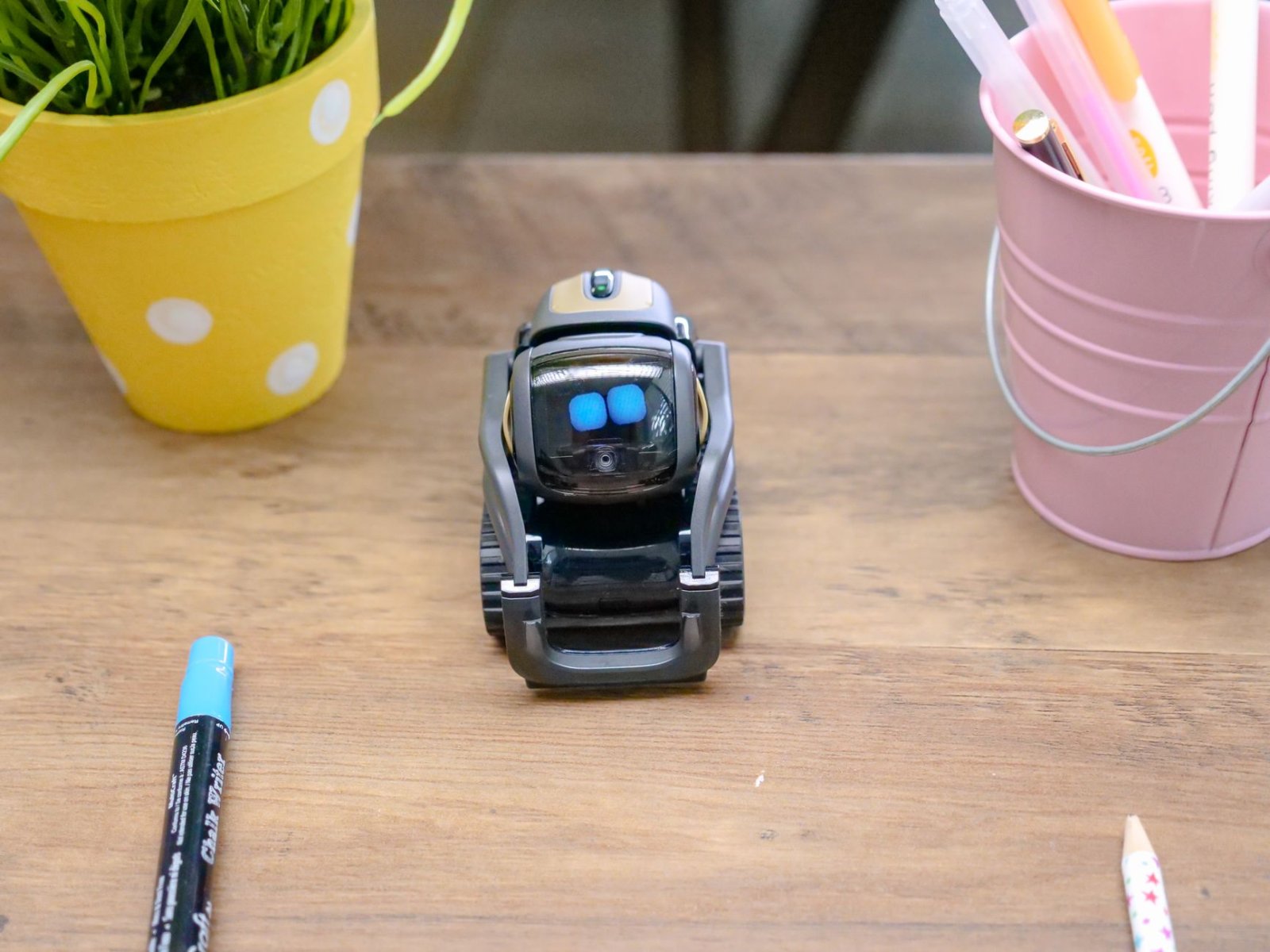
Cognition, maker of the Devin autonomous coding agent, acquired Poke — a conversational AI built by Interaction Company — to bring a distinct personality layer to Devin, TechCrunch reported. The deal price was confirmed but not disclosed publicly.
Poke was built to feel less like software and more like a colleague: it responds like a friend, incorporates slang and humor, and engages users the way a person would rather than a tool would. Interaction Company co-founder Marvin von Hagen explained the product thesis to TechCrunch: “You probably prefer it if you have co-workers that have personality, rather than if you have co-workers that are just robots. When you have co-workers that are also software engineers, they can also make a joke. And you’ll find it funny and enjoyable.”
Cognition co-founder Scott Wu framed the acquisition in terms of where the market is going: “The Interaction team has built an agent that people love: it’s proactive, it knows you, and it’s fun to talk to. That’s exactly how working with Devin should feel, and now we get to build it together.”
The strategic logic: Cognition is betting that as autonomous coding agents become more capable and more prevalent, the differentiator will not be which agent writes the most correct code on SWE-bench — all the serious competitors will be good enough at that. The differentiator will be which agent developers actually want to work with over an eight-hour day. Personality is a retention and engagement mechanism, not a vanity feature.
What This Means for the Coding Agent Market
For teams currently evaluating autonomous coding agents, the Poke acquisition signals that Devin’s next version will be substantially different in interaction model, not just capability. Teams that found Devin too tool-like may find the post-Poke version meaningfully more usable. Teams evaluating Cursor, Claude Code, or GitHub Copilot should track this dimension: the agents that feel most natural to work with will win adoption even if their raw task scores are similar to competitors.
Midjourney Acquires Co-Star: Buying Consumer App DNA
Midjourney acquired Co-Star, the astrology app, according to TechCrunch. Co-Star’s team of two dozen employees has joined Midjourney as part of the acquisition.
The acquisition looks strange on the surface — what does an AI image and video generation lab want with an astrology app? But the strategic read is more interesting: Co-Star is one of the most-installed consumer AI apps in existence, built by a team that understands consumer retention, personalization, and daily-habit formation at scale. Midjourney, by contrast, still has no standalone app — its users generate images through a Discord server. The company has been building a medical arm and other consumer touchpoints, but has lacked consumer-app engineering depth.
Bringing in two dozen Co-Star engineers means Midjourney is acquiring the ability to build a proper consumer application — not just better image models. The timing aligns with increasing competitive pressure from DALL-E, Adobe Firefly, Flux, and Stable Diffusion variants, all of which are accessible through polished consumer interfaces that Midjourney currently cannot match.
The Platform vs. Model Distinction
Midjourney’s acquisition makes sense only if you accept that the image generation model quality gap between Midjourney and its competitors is shrinking, and that the next competitive dimension is the consumer experience wrapping those models. A team that built an app with tens of millions of daily users — Co-Star was downloaded over 20 million times — knows things about user retention and daily engagement that no amount of model research can teach. Midjourney is buying that knowledge in the form of a team.
Runway Launches a Media Model Router: Ecosystem Lock-In Through Infrastructure
Runway launched the Media Router through its Runway Dev platform, TechCrunch reported exclusively. The tool automatically selects the best image, video, or audio generation model for a given request based on whether the developer prioritizes quality, speed, or cost.
Runway CPO Anthony Maggio described the product to TechCrunch: “The routing really fits into that overall promise of being the easiest one-stop shop for developers to integrate with any type of generative media model. Most developers are not spending the time to really understand the capabilities of each of these models and where they excel or differ based on various parameters.”
While model routers are common in the LLM world — Portkey, LiteLLM, and similar tools do this for text models — Runway is positioning the Media Router as the first built specifically for generative media (image, video, audio). The Runway Dev customer list underscores the enterprise traction: Adobe, Cloudflare, ElevenLabs, Expedia, Shutterstock, and Quora are all building media generation into their products via Runway’s API rather than building their own generation infrastructure.
Why Routing Is an Ecosystem Play, Not a Feature
A model router creates switching costs in both directions. Developers who build on top of Runway’s router are insulated from the churning generative media model market — they do not need to re-evaluate and re-integrate every time a new Flux or Sora variant ships. Runway benefits because it becomes the infrastructure layer rather than a single model provider. If Runway’s own video model loses ground to a competitor, developers on the Runway Dev platform can still route to that competitor through Runway, keeping spend on Runway’s platform. This is the same playbook that made API gateways sticky in the cloud era.
For developer teams building AI-native media products, the same pattern holds for AI coding tools: the tools that become infrastructure — that sit between you and the underlying models — tend to retain customers even when individual models churn.
What This Means for You
Three separate companies, three separate moves, one shared strategic logic: model quality as a standalone differentiator is under pressure. Here is how each move affects practitioners:
- If you are evaluating AI coding agents: Personality and interaction model are now explicit product investments, not accidental byproducts. Cognition buying Poke means Devin is being redesigned for sustained daily use. Factor developer experience — how it feels to work with an agent across a full sprint — into your evaluation alongside benchmark scores.
- If you are using Midjourney for image generation: The Co-Star acquisition suggests a standalone consumer app is coming. If Midjourney’s Discord-only UX has been a friction point for your team, that pain point is likely being addressed. Timing is unclear.
- If you are building products with generative media APIs: Runway’s Media Router is worth evaluating. The key question is whether you want to bet on a single model provider or route across the best available model per task. Given how fast generative media models are releasing and improving, routing reduces your integration maintenance burden substantially.
Quick Answer
- Cognition acquires Poke (Interaction Company): Gives Devin a conversational personality layer. Co-founder Marvin von Hagen confirmed the deal to TechCrunch. Goal: make Devin feel like working with a smart colleague, not a tool. Cognition co-founder Scott Wu: the Interaction team built an agent people love — proactive, knows you, fun to talk to.
- Midjourney acquires Co-Star: Two dozen consumer app engineers join Midjourney. Co-Star is an astrology app with tens of millions of users. Strategic read: Midjourney is buying consumer-app product DNA to finally build a standalone app and close the UX gap with competitors who have polished consumer interfaces.
- Runway launches Media Router via Runway Dev: Automatically selects the best image/video/audio model by quality, speed, or cost. Runway CPO Anthony Maggio told TechCrunch this is the first router built specifically for generative media. Runway Dev customers include Adobe, Cloudflare, ElevenLabs, Expedia, Shutterstock, Quora.
Key Takeaways
- The Cognition/Poke acquisition is the clearest signal yet that AI agent vendors believe personality and interaction quality will be a primary retention driver — not just a nice-to-have.
- Midjourney buying Co-Star is less about astrology than about acquiring two dozen engineers who know how to build consumer apps that people open every day. That is a capability Midjourney does not have internally.
- Runway Media Router turns Runway from a model provider into infrastructure. Infrastructure is stickier than models. This is a deliberate platform play.
- All three moves reflect the same underlying market condition: when model quality is no longer a reliable differentiator, competition shifts to UX, distribution, and developer ecosystem ownership.
Frequently Asked Questions
Why would a coding agent need personality?
Autonomous coding agents like Devin are being used across entire engineering workdays, not just for single tasks. The way a tool communicates — whether it explains its reasoning, asks clarifying questions, handles ambiguity, or acknowledges when it is stuck — significantly affects developer productivity and willingness to delegate complex tasks. Cognition co-founder Scott Wu cited Poke being proactive, knowing the user, and being fun to talk to as the specific qualities they want to bring to Devin.
What was Co-Star and why did Midjourney want it?
Co-Star is a personalized astrology app with tens of millions of downloads and a team of roughly two dozen engineers. Midjourney acquired it primarily for the team: engineers who know how to build a consumer product that creates daily habits and high retention. Midjourney currently has no standalone app and relies on Discord for user interactions, putting it at a structural disadvantage to competitors with polished mobile apps. The Co-Star team brings consumer-app product experience that Midjourney does not have internally.
What is the Runway Media Router and how does it differ from LLM routers like LiteLLM?
Runway Media Router selects the best image, video, or audio generation model for a request based on developer priorities (quality, speed, cost). While LLM routers like LiteLLM and Portkey do similar things for text models, Runway positions the Media Router as the first built specifically for generative media. It operates within the Runway Dev platform, which already serves Adobe, Cloudflare, ElevenLabs, and others — so the router is an add-on to an existing enterprise developer relationship, not a standalone product.
Does the Poke acquisition mean Devin will be less focused on code quality?
No. Cognition is adding a personality layer on top of Devin’s existing capabilities, not replacing them. The Interaction Company team (Poke’s builders) is joining to work on how Devin communicates and engages — proactively surfacing information, adapting to the individual developer, and making interactions feel more natural. The underlying code generation capabilities remain Cognition’s primary engineering focus.
Should I wait for the new Devin before making a coding agent decision?
If your primary friction with current AI coding agents is interaction quality rather than task performance, it is worth watching how the post-Poke Devin evolves. If your friction is with task accuracy, planning depth, or specific coding capabilities, the Poke integration is unlikely to move the needle in the near term. Cognition has not announced a timeline for when Poke’s interaction model will be integrated into Devin’s production experience.